

Learning
DEVELOPING SKILLS FOR MORE THOUGHTFUL, EFFECTIVE LEARNING
Learning is more than taking in information and remembering it for a test. It involves paying attention, making connections, understanding what we're learning, practising, reflecting on what is working, and adjusting our approach when it isn't.
Learning also involves understanding ourselves as learners. Our strengths, preferences, experiences, and the demands of a particular learning situation can all influence how we understand, remember, and apply new information.
Learning skills are some of the practical skills we use to support that process. They can include how we manage our attention, understand and organize information, take notes, prepare for assessments or presentations, approach different kinds of learning, and reflect on what helps us learn effectively.

When learning feels difficult, you might:
spend a lot of time learning something without feeling like you're retaining much
understand something when you're looking at it but struggle to explain or recall it later
have difficulty understanding complex or unfamiliar information
struggle to organize notes or make sense of a large amount of information
find it difficult to decide how to approach a new task, presentation, or project
have difficulty staying focused or managing distractions while learning
feel stressed by the volume of information or expectations you're managing
find a new environment, role, or learning situation harder to navigate than expected
find that an approach that worked before doesn't work as well now
be unsure how to tell whether you actually understand something
Becoming more aware of how we learn can help us recognize what a situation requires, understand what may be getting in the way, and make more informed choices about how to approach it.
Where Executive Functioning Shows Up
School & Post-Secondary Education
Studying, understanding course material, taking notes, preparing for assessments, managing workload demands, speaking in front of others, and navigating increasing independence all draw on learning skills.
Work & Professional Learning
Learning is part of most workplaces, whether we're completing training, developing new skills, learning unfamiliar systems, taking on new responsibilities, or communicating what we know to others. Understanding how we learn can help us approach these situations more intentionally.
Everyday Learning
We learn in many parts of everyday life - from developing a new skill or hobby to figuring out how something works, understanding new information, or navigating an unfamiliar situation. Curiosity, self-awareness, reflection, practice, and an understanding of how we learn all contribute to the process.
Explore Learning
Insights
Curious about how learning works? Our articles explore the ideas and experiences that shape how we learn, understand information, and approach learning in school, work, and everyday life.

Build Skills
Looking for ways to approach learning more intentionally? Our educational programs provide opportunities to develop and practise skills that can support learning in different contexts.
Read
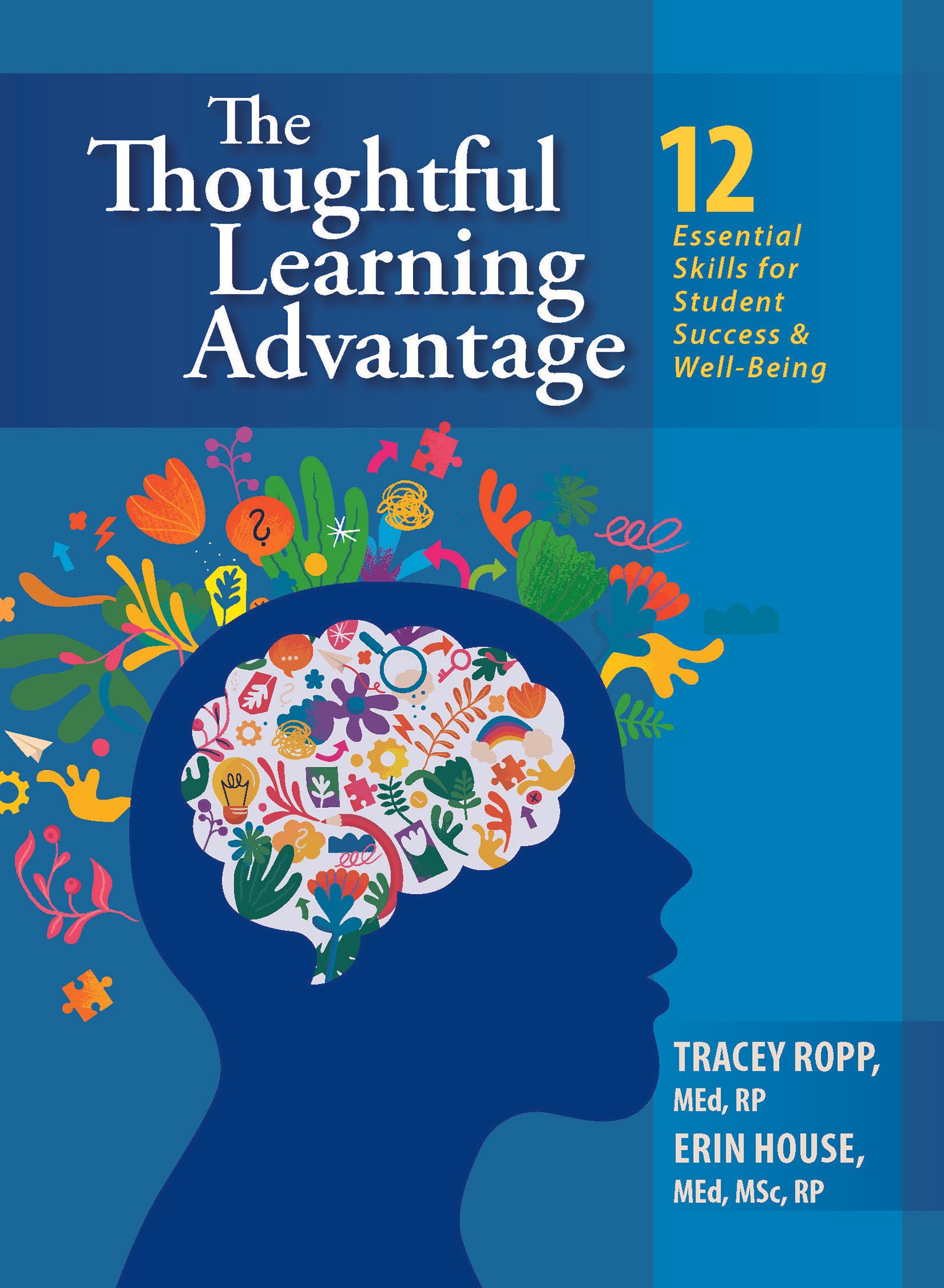
Want to bring the pieces together? The Thoughtful Learning Advantage explores 12 essential skills that connect learning, self-management, and student well-being.
Individual Support
Learning doesn't happen in isolation. If learning challenges are affecting school, work, or other areas of life, individual support can provide space to explore your experience and consider what might help.
Erin House and Tracey Ropp are Registered Psychotherapists in Ontario who offer psychotherapy through their independent private practices.
Explore More:
Executive Functioning
Learning asks us to plan, organize, manage attention, remember information, and adjust when something isn't working. These are executive functioning skills. Explore our Executive Functioning resources to learn more about that connection.
Well-Being
How we feel and what we're managing can shape how we approach learning. Stress, confidence, motivation, and competing demands are all part of the learning experience. Explore our Well-Being resources to look at the broader picture.