

Well-Being
DEVELOPING SKILLS FOR NAVIGATING EMOTIONS, MOTIVATION, DEMANDS, AND CHANGE
Life doesn't always go according to plan. We may be managing competing responsibilities, navigating change, trying to maintain motivation, or figuring out how to respond when emotions affect what we want to do.
Well-being involves understanding ourselves and developing skills to navigate emotions, manage demands, make choices, and adjust when circumstances change. These skills can influence how we approach learning, work, relationships, and everyday life.
Well-being isn't about getting everything right or avoiding stress altogether. It involves understanding what affects us and developing ways of responding that support our needs, priorities, and circumstances.

When well-being feels difficult, you might:
feel stressed or anxious when demands begin to pile up
find it difficult to manage emotions when things don't go as planned
feel overwhelmed by competing responsibilities or expectations
find that motivation changes depending on the situation
put things off even when you know they matter
lose confidence when you're having difficulty keeping up
find it difficult to establish or maintain habits and routines
have difficulty setting boundaries around your time, energy, or responsibilities
find yourself relying on coping approaches that aren't working as well as you'd like
feel uncertain about how to respond when circumstances change
When we understand what is influencing our well-being, we can begin to consider what we need and what might help us navigate a situation differently.
Where Well-Being Shows Up
Emotions & Stress
Stress, anxiety and strong emotions can affect how we think, focus, make decisions, and respond to everyday demands. Developing awareness of these connections can help us understand what we need and consider different ways of responding in challenging situations.
Motivation & Confidence
Motivation and confidence can change depending on the situation, our expectations, and the demands we're navigating. Understanding what influences motivation and confidence can help us develop approaches that support movement from intention to action.
Habits & Boundaries
The ways we structure our days, respond to demands, and care for ourselves can influence our well-being. Developing habits and routines, setting boundaries, and finding effective ways to cope can help us navigate changing circumstances and competing priorities.
Explore Well-Being

Insights
Curious about the skills behind well-being? Our articles explore how we understand ourselves, respond to challenges, and navigate the demands of everyday life.

Build Skills
Want to work on skills that support your well-being? Our self-study programs provide opportunities to explore practical approaches to managing demands, building routines, navigating emotions, and making changes that fit your circumstances.
Read
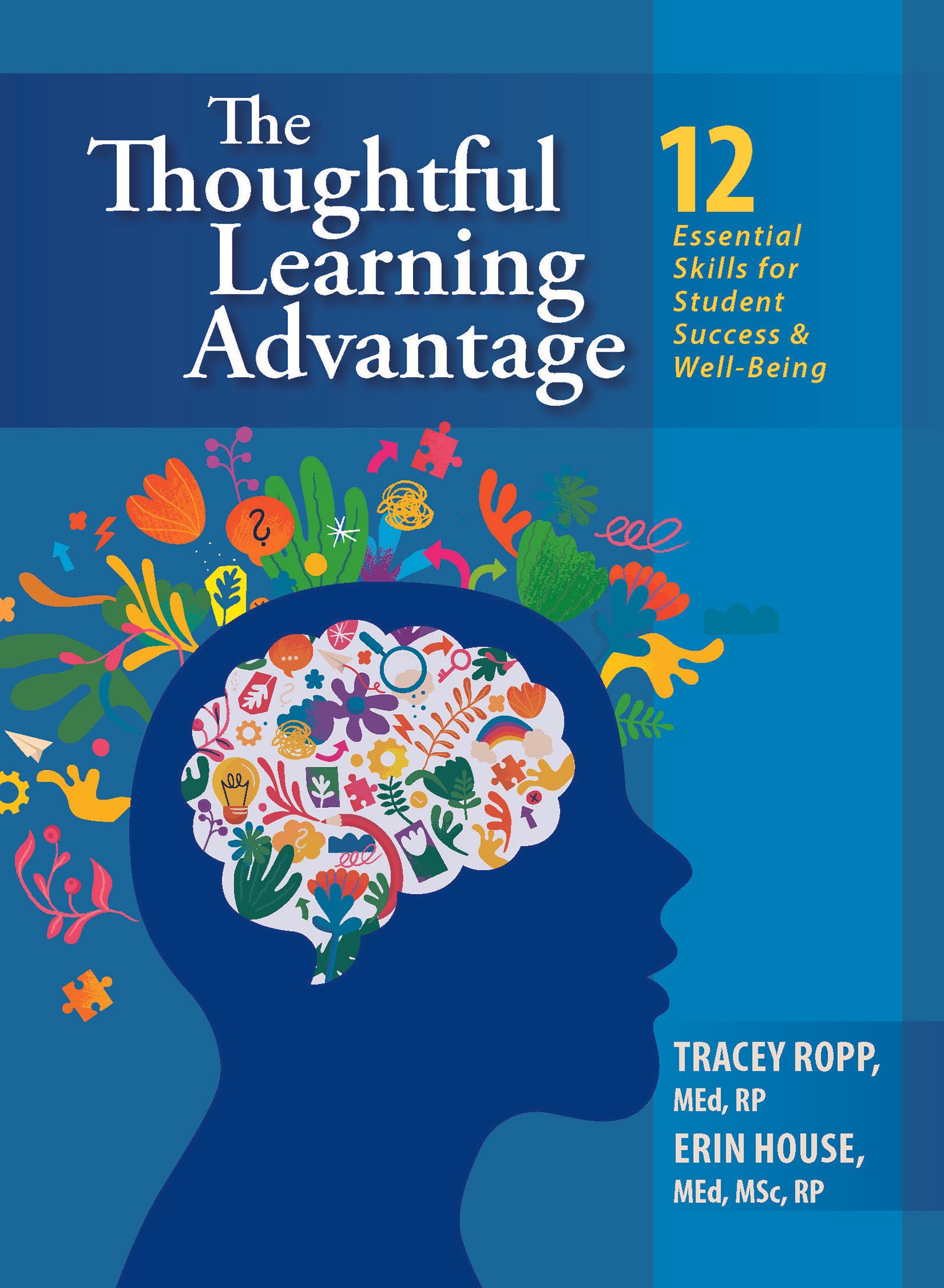
See how well-being connects with learning and self-management. The Thoughtful Learning Advantage brings together 12 essential skills that students can draw on across their academic and everyday lives.

Individual Support
Sometimes understanding the challenge isn't quite enough. Individual support offers an opportunity to explore well-being in the context of your own life, circumstances, and relationships.
Erin House and Tracey Ropp are Registered Psychotherapists in Ontario who offer psychotherapy through their independent private practices.
Explore More:
Learning
Learning is shaped by more than what happens at a desk. Well-being, confidence, stress, and competing demands can all influence how we approach learning. Explore our Learning resources to look at the other side of that connection.
Executive Functioning
The way we plan, organize, focus, and get things done can be influenced by how we're feeling and what else we're managing. If you're interested in the skills behind getting things done, explore our Executive Functioning resources.